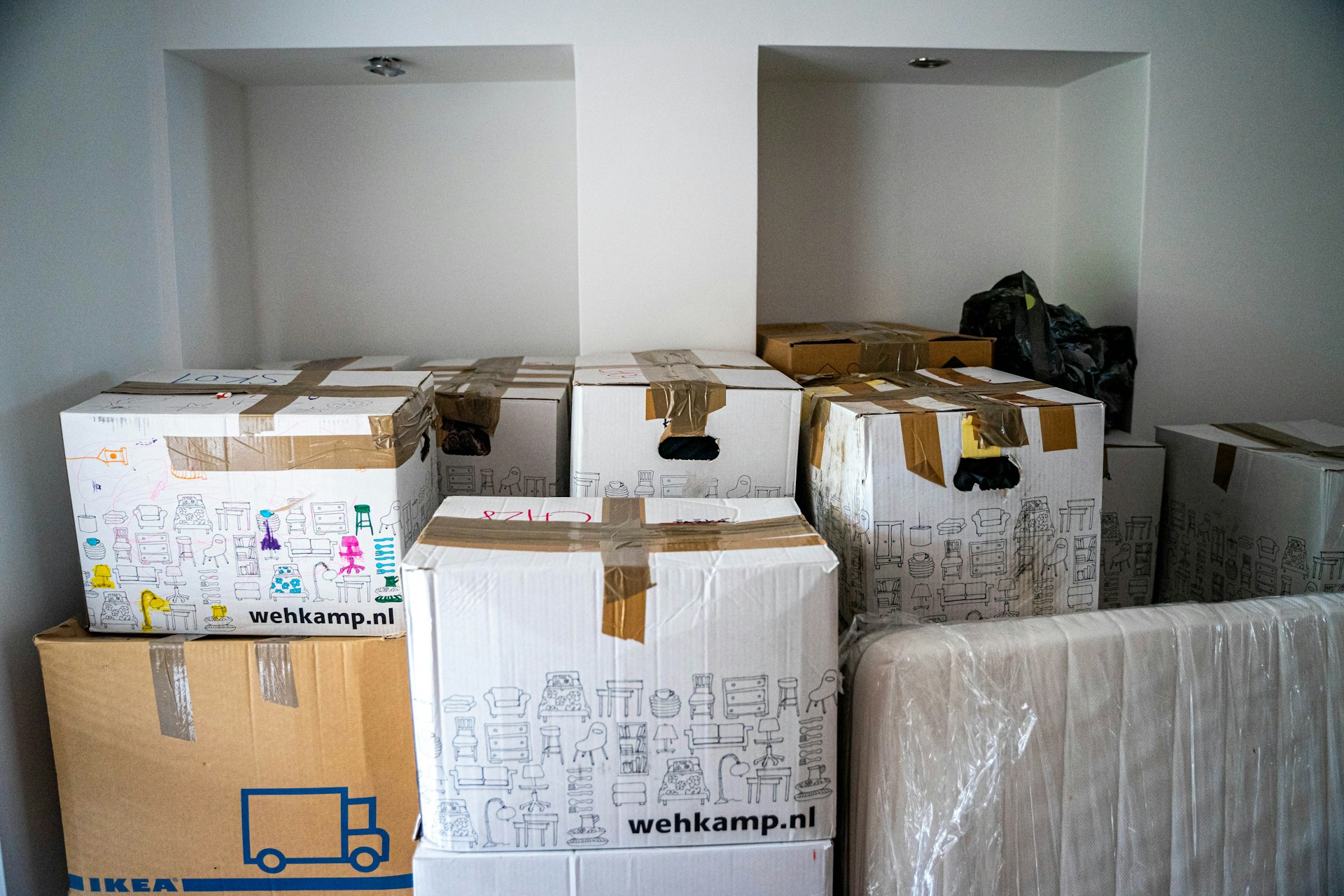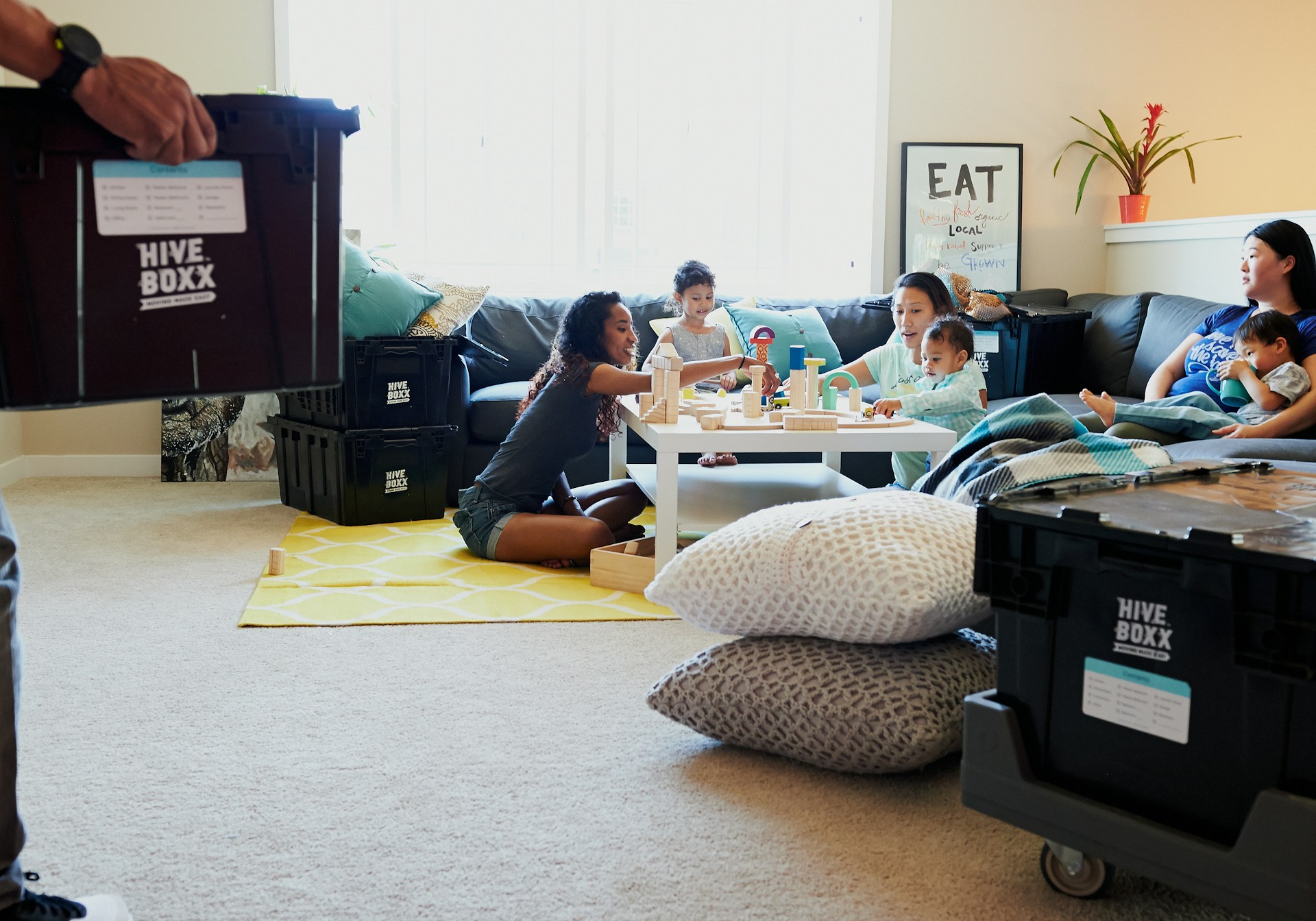
To start downsizing, measure the new space, decide what must come with you, then sort your home in stages: keep, give to family, sell, donate or dispose. Start with rooms that carry the least emotion. This guide shows how to sort a lifetime of belongings and plan the move.
Downsizing is not really about getting rid of things. It is about deciding, one room and one drawer at a time, what belongs in the next chapter of your life. That is a lot to ask of anyone, and it is harder still when the house holds decades of family photographs, tools you have not used since the last time you needed them and a set of china that nobody ever eats from.
We help people downsize across Southampton and Hampshire, and we have seen how much easier it is when there is a plan. This guide explains downsizing your home in a sensible order: measuring the new space, sorting in stages, handling sentimental items, planning the new layout and how a removal company can help. If you are still deciding whether the time is right, our guide to the signs it is time to downsize is a good place to start.
Where do you start when downsizing?
Start with the new space, not the old one. It is much easier to decide what to keep when you know what will fit. Age UK's downsizing guidance suggests using the floor plan of your new home to make your final decisions about furniture, and thinking carefully about what storage it has. If you do not have a plan, measure the rooms yourself, and note the doors, windows and where the radiators and sockets are.
- Get the floor plan or measure the new rooms, and write the sizes down.
- List the pieces you would be sad to lose, such as a favourite chair, a table or a bed.
- Check which of them will fit, using paper cut-outs or a simple sketch.
- Set a timetable, working back from your moving date, with one room or area at a time.
- Agree who will help, whether that is family, friends or a professional.
Give yourself time. Age UK notes that moving or making changes to a home takes time, and that planning while you are in good health means you can explore your options properly before making decisions. There is no need to do it all at once, and a slower, steadier pace is kinder to everyone.
Sort in stages: keep, family, sell, donate, dispose
A simple category system helps. Go through one room at a time, and put each item into one of five groups.
- Keep: the things that will come with you, because they fit the new home and you use or love them.
- Family: things you would like to pass on to children, grandchildren or friends, ideally while you can enjoy seeing them used.
- Sell: items in good condition that someone else would pay for, such as furniture, jewellery, collections and equipment.
- Donate: items in good condition that a charity shop or a local group could use.
- Dispose: things that are broken, worn out or unsafe, and that need recycling or disposal.
You will also end up with a maybe pile. That is normal, and it is fine. Put those items in a box, seal it and note the date. If you have not opened the box by the time you move, or after a few months in the new home, it is probably safe to let it go. Our guide to what to do with unwanted furniture before you move covers your options for larger items.
Dealing with sentimental items
Some things are hard to sort because they are not really about the object. A child's drawing, a parent's coat, a piece of furniture from your first home all carry more than their size or their price. Give yourself permission to take your time with them.
- Photograph it. A photo can hold the memory, even if the object does not come with you.
- Keep a memory box. Choose one box, of a size you will actually keep, for the things that matter most.
- Involve family. A son, a daughter or a grandchild may treasure something you have thought of as ordinary.
- Do the hard rooms last. Start with the loft, the garage and the spare room, so you build momentum before the harder decisions.
Planning the space in your new home
Once you know what you have, plan where it goes. A rough floor plan on paper, with the furniture drawn to scale, can save a lot of lifting on moving day. Think about how you will use each room, where the light falls, and how much walking space you need. If you have items that will not fit but you cannot part with, storage may be an option, and we offer storage solutions, so ask us about the details when you get a quote.
Think about the practical side too. A smaller home means fewer cupboards, so a sturdy set of storage boxes or a single well-organised wardrobe can matter more than an extra chair. If you are moving to a flat, ask about the stairs, the lift and the parking, because they affect how furniture gets in.
How a removal company can help
A removal company can do much more than carry boxes. Depending on what you need, we can help with the following.
- Packing. We offer full packing, part packing, unpacking and self-pack with materials. Our guide to removals with a packing service explains the options.
- Partial moves. If you are moving a few items to a smaller place, we can move only what you need.
- Dismantling and reassembly. We can take apart beds, wardrobes and larger furniture, and put them back together in the new home.
- Storage. We offer storage solutions for things you want to keep but do not have room for.
- Advice on access. We can look at the stairs, doors and parking at both ends, and plan the day around them.
A downsizing timeline
Timings depend on your home and how much you own, so treat this as a shape, not a schedule.
- Decide and plan: measure the new space and set a date to work back from.
- Sort in stages: go room by room, starting with the least emotional ones.
- Decide what to sell, donate or dispose of, and arrange it.
- Book your removal company, and tell them about the access at both ends.
- Pack, either yourself or with help, and keep an essentials box.
- Move, then settle in and check what is where.
Practical tips to make sorting easier
- Work in short sessions. An hour or two a day is easier on your energy, and on your emotions, than a whole weekend.
- Use sticky notes or coloured dots. One colour for keep, one for family, one for sell and one for donate, so you can see the decisions at a glance.
- Start with duplicates. Most homes hold several of the same thing, such as saucepans, towels, mugs or tools, and you rarely need them all.
- Set a rule for clothes and linen. If you have not used it in a year, it is a candidate to go.
- Photograph the things you sell or give away, so you have a record of what left the house.
- Ask for help. A friend, a relative or a professional can hold the box while you decide.
Do not aim for perfection. If some things come with you and turn out not to fit, you can deal with them once you are in the new home, and it is easier to decide when you can see the space. A smaller home does not mean a smaller life, and many people find that once the clutter has gone, they enjoy the things they kept a great deal more.
Summary
- Measure the new space first.
- Sort in stages and category by category.
- Keep a small box for sentimental items.
- Use packing help to lighten the workload.
FAQs
Start by measuring the new space, then decide what must come with you. Sort your home in stages, room by room, and start with the rooms that carry the least emotion.
Use the new floor plan, and keep the things you use, love or would be sad to lose, if they fit. A maybe box can help with the rest.
It depends on your home, how much you own and how much help you have. Give yourself as much time as you can, and work back from your moving date, one room at a time.
Some can. We offer storage solutions, so ask us about the details when you get a quote.
Offer it to family, sell it, donate it if it is in good condition or use council or licensed services to dispose of it. Our guide to unwanted furniture explains each option.
One Last Thought
Downsizing in Southampton or Hampshire? Call K2 Swift Removals on 023 8111 3116 or 07356 097791 and we will give you a straight, free quote.