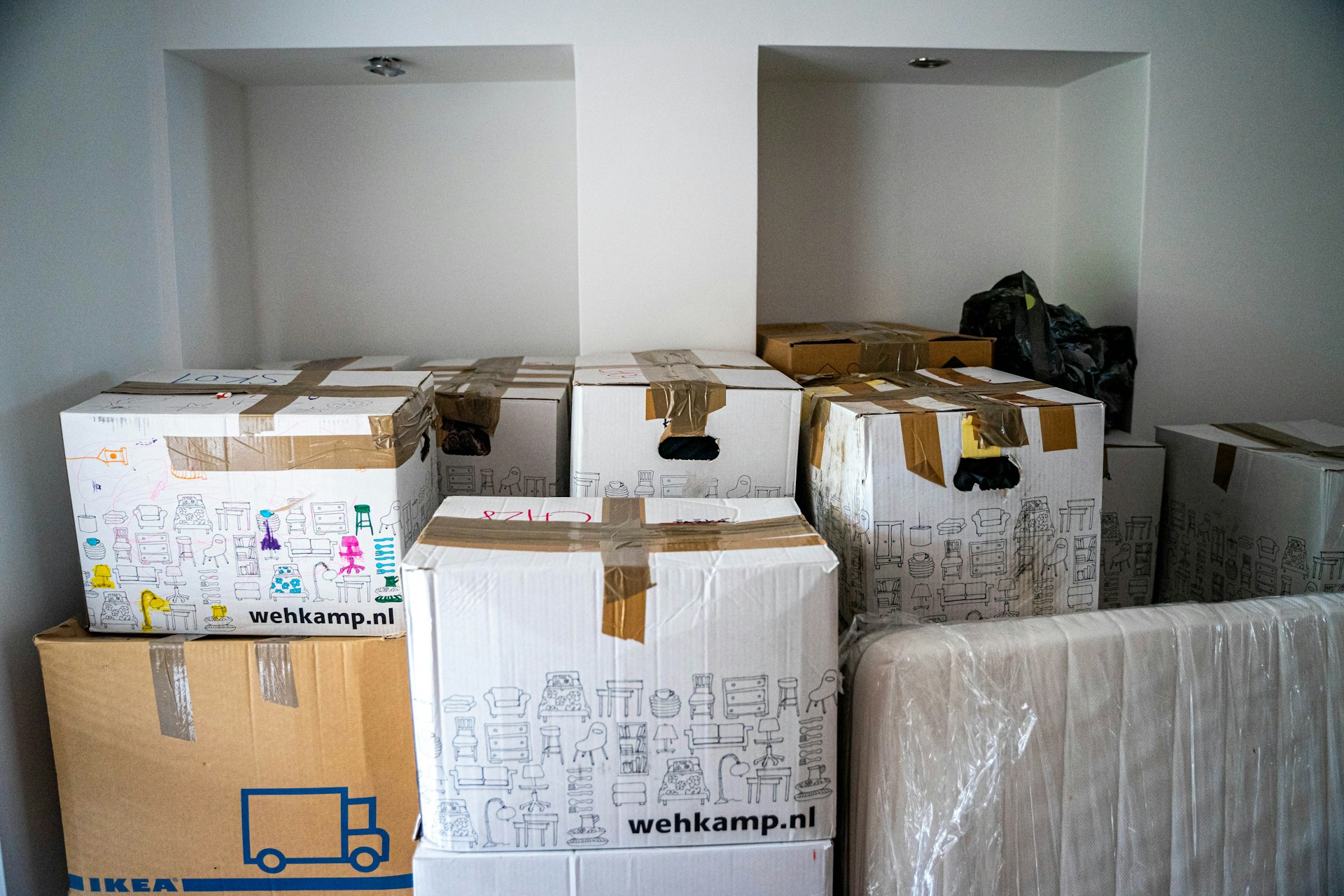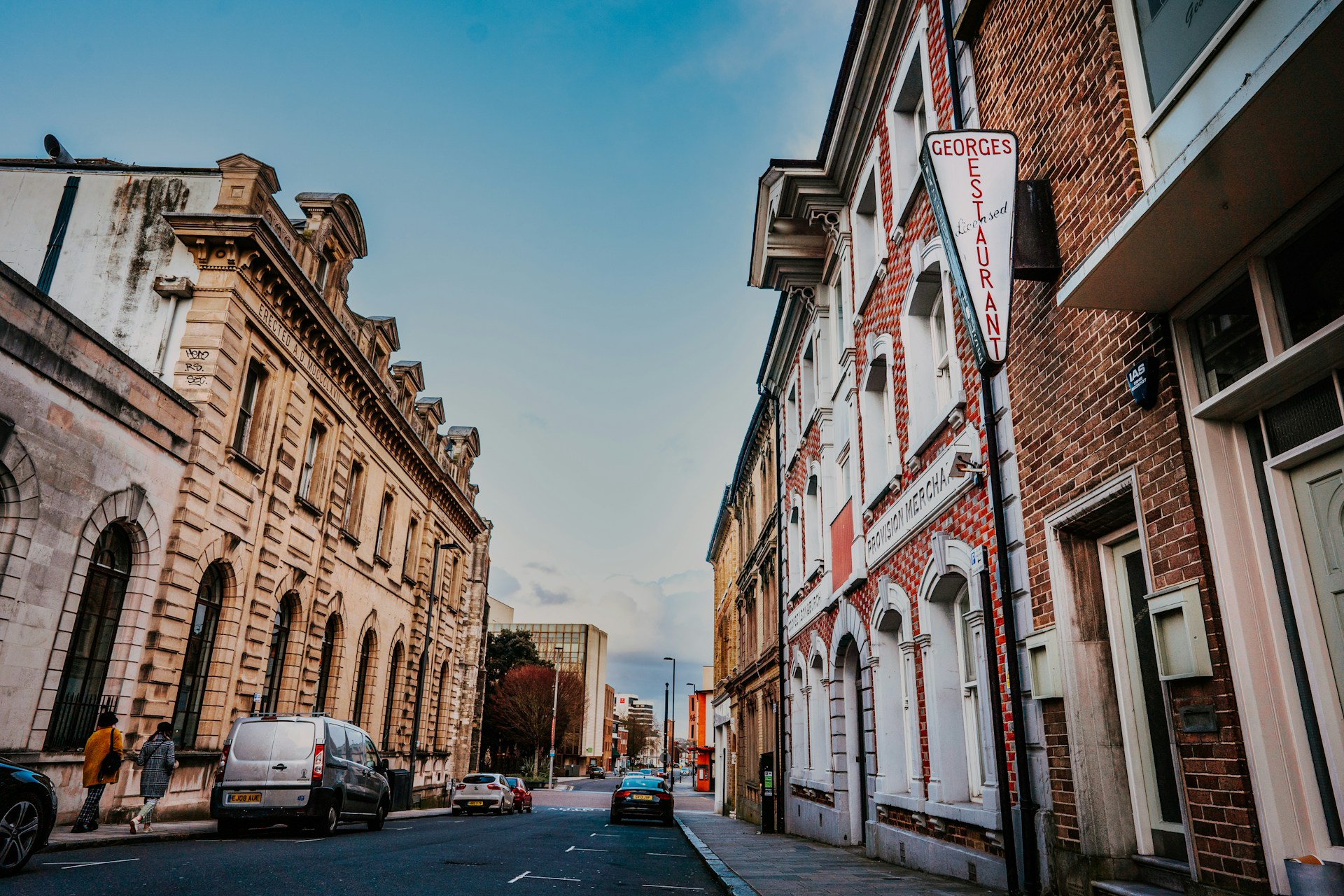
Moving a flat with no lift or narrow stairs takes planning: measure doors and stairwells, ask your building about access hours and tell your removal company early so the right team and vehicle are sent. This guide explains how movers handle stairs, corners and awkward furniture in Southampton flats.
You know the flat. Third floor, a narrow staircase with a turn in the middle, a landing barely wider than a wardrobe and no lift. Getting the furniture in was hard enough, and now everything has to come back out. It is the kind of move that makes people nervous, and with good reason, because in a flat like that, the stairs are the whole job.
We move people out of flats across Southampton and Hampshire, from older converted houses to purpose-built blocks, and stairs are something we plan for on every job. This guide explains moving a flat with no lift or narrow stairs: what makes it harder, how to measure and plan access, what building rules to check, how furniture is carried down stairs, what happens when a piece will not fit and a checklist to work through. It is general advice, and the more you tell us about your flat, the better we can plan.
Moving flat no lift: what makes it harder?
If you have typed moving flat no lift into a search box, you are in good company, and the answer is planning. Four things make it harder, mostly: stairs, corners, distance and building rules. Each adds time, effort and risk.
- Stairs. Every item has to be carried, and a heavy piece on a steep flight needs several people and a lot of care.
- Corners and landings. Turns in a stairwell limit what fits. A sofa that goes up straight may not turn the corner coming down.
- Distance. A long carry from the flat to the van, through corridors and communal areas, multiplies the effort.
- Building rules. Managing agents and neighbours may limit access hours, communal use and noise.
None of it is impossible. It just needs planning, and an honest picture of what you have. Nothing on moving day catches us off guard when we know about it in advance.
Measuring and planning access
Before you book, spend ten minutes with a tape measure and your phone. It will save a lot of trouble.
- Measure the width of the front door of the flat, the internal doors and the communal entrance.
- Measure the stairwell: the width of the stairs, the height of the ceiling and the size of each landing.
- Photograph each flight, each turn and the route from the flat to the street.
- Measure your largest pieces: the sofa, wardrobe, bed, table and any large appliances.
- Note the distance from the door of the building to where the van can stop.
Send us the photos and measurements when you ask for a quote. We can check the access in advance, and tell you what we expect, before the day. If anything looks doubtful, we can talk it through with you.
Building rules and access hours
Flats come with rules, and it is best to find out early. Contact your managing agent, landlord or letting agent, and ask the following.
- Are there set hours or days when moving is allowed?
- Is there a lift, a service lift or a loading bay, and do you need to book it?
- Is there a deposit or a form to complete for using communal areas?
- Do you need to protect the stairs, walls or floors, and who provides the protection?
- Where can the van stop, and for how long?
Tell your neighbours, too. A note through the doors with your date and times avoids most complaints, and it is only courteous when a team is going to be on the stairs for a few hours. We work to protect communal areas as we go, and keep the stairs as clear as we can.
Carrying furniture down narrow stairs
There is a technique to carrying heavy pieces on stairs, and it starts with having enough people and the right plan. We plan the team around the stairs, the weight and the distance, and the team works together, calling each step.
- Team size. Heavier pieces need more people, and a narrow stair can only fit so many, so it is a balance.
- Dismantling. Taking beds, wardrobes and tables apart makes them lighter and easier to turn. We offer furniture dismantling and reassembly, and our guide explains what is involved.
- Turning corners. Pieces are tilted and turned in a planned order, and sometimes lifted over banisters, if it is safe and the building allows it.
- Protection. Banisters, walls and door frames are padded, and floors are covered on the route.
Older Southampton flats, in converted houses and Victorian terraces, often have the narrowest stairs. If yours is one of them, tell us, so we can plan for it.
When a piece will not fit
Sometimes a piece will not go down the stairs, however it is turned. If that happens, there are usually a few options.
- Dismantle it. Many pieces come apart, and reassembly at the new home is straightforward.
- Find another route. A different door, a window or a balcony may be possible, if it is safe and permitted, though it needs to be planned in advance.
- Leave it behind. If a piece was built or assembled in place, and cannot come apart, it may be better to sell it, donate it or dispose of it. Our guide to unwanted furniture explains the options.
- Replace it. Sometimes it is easier to buy a new piece for the new home, and avoid a difficult move.
We would rather tell you honestly before the day if we think a piece will not make it, so you can decide.
A flat move checklist
- Measure the doors, the stairs and your largest furniture, and photograph the route.
- Tell your building, and check the rules and access hours.
- Send us the photos and measurements when you ask for a quote.
- Book the right team, and tell us about anything heavy or awkward.
- Empty and dismantle what you can beforehand, or ask us to.
- Clear the stairs, hall and landing, and keep the route free on the day.
- Keep keys, documents and essentials with you.
Summary
- Measure and photograph access before booking.
- Tell your building and your mover early.
- Dismantle furniture that cannot turn corners.
- Plan the team size around stairs and distance.
FAQs
Yes, with planning. We check the access, plan the team around the stairs and dismantle furniture where needed. Send us photos and measurements when you ask for a quote.
Then every item is carried down the stairs, so the team, the time and the order all matter. Tell us the floor, the number of flights and the width of the stairs, and we will plan for it.
Measure the sofa and the stairs first. The team tilts and turns it in a planned way, and if it will not turn, it may need to come apart or leave by another route. Tell us the size and send photos.
Often you need to tell the managing agent or landlord, and some buildings have rules on access, lifts and hours. Check your lease or tenancy agreement, and ask the managing agent.
Pad the banisters, walls and door frames, cover the floors on the route and keep the stairs clear. We do this as part of the move, and we tell you what to check with your building.
One Last Thought
Moving out of a flat in Southampton or Hampshire? Call K2 Swift Removals on 023 8111 3116 or 07356 097791, send us your photos and we will give you a straight, free quote.