Many removal teams dismantle and reassemble large furniture such as beds, wardrobes, tables and desks so it travels safely and fits through doors. Flat-pack furniture is harder and may not survive. This guide explains what is dismantled, what is not, and how to prepare.
Some furniture simply will not go through a door in one piece. A large wardrobe in a small bedroom, a bed with a solid headboard, a dining table that was assembled before the doors were fitted: they all raise the same question on moving day. Can it be taken apart, and can it be put back together?
We move households and offices across Southampton and Hampshire, and taking furniture apart and rebuilding it is part of everyday work for us. This guide explains what dismantling furniture for moving involves, which pieces are usually taken apart, what to expect with flat-pack, how office furniture is handled, how to prepare and what to ask so you know what is and is not covered. We have kept away from prices, because they depend on the job.
Dismantling furniture for moving: what does it involve?
Dismantling means taking a piece of furniture apart in an order that protects it, and putting it back together at the new home. A good team does it in a few steps.
- Look at the piece, and photograph it if it is complicated.
- Take it apart in a sensible order, using the right tools.
- Bag and label every screw, bolt and fitting, and tape them to the part they belong to.
- Wrap and protect each part, especially finished surfaces, glass and edges.
- Move the parts, then rebuild the piece at the new home, checking it is level and stable.
We offer furniture dismantling and assembly as a service, so tell us when you ask for a quote which pieces you would like us to handle, and we will confirm what we can do.
Which furniture is usually dismantled
- Beds. Frames, headboards and bunk beds are the most common. Our guide to moving a bed and mattress explains how it is done.
- Wardrobes. Doors, shelves and panels come off, especially in larger units.
- Large tables. Legs and extension leaves can be removed, and a glass top needs careful protection.
- Desks. Many can be taken apart, including drawer units and desk frames.
- Shelving and bookcases. Adjustable and modular units are usually straightforward, though they need to be emptied first.
Flat-pack furniture: what to expect
Flat-pack furniture is designed to be assembled once. It is often held together with cam locks, dowels and thin fittings that can loosen, strip or break when taken apart, and the panels can chip or swell. That does not mean it cannot be moved, but it does mean you should set expectations.
- Where possible, move flat-pack furniture assembled. It is often more stable than a rebuilt version.
- If it has to come apart, take care, keep the fittings and accept that some pieces may not survive a second assembly.
- Keep the instructions if you have them, or find them online using the make and model.
- If a piece is old, cheap or already loose, think about whether it is worth moving, or whether replacing it would be easier.
We would rather tell you honestly before we start that a piece is unlikely to survive, so you can decide, than take it apart and find out at the other end.
Office furniture
Offices have their own furniture challenges: desks, partitions, shelving and large storage units, often in numbers. Our office removals service includes disassembly and reassembly of desks, partitions and shelving, with protection for walls and floors. Our office relocation checklist and our guide to moving an office over a weekend explain how the wider move is planned, and our guide to office site surveys covers what to expect before the day.
If your office has lots of similar desks, label each one with its location, so the layout can be rebuilt quickly at the new site.
Why it matters in Southampton homes
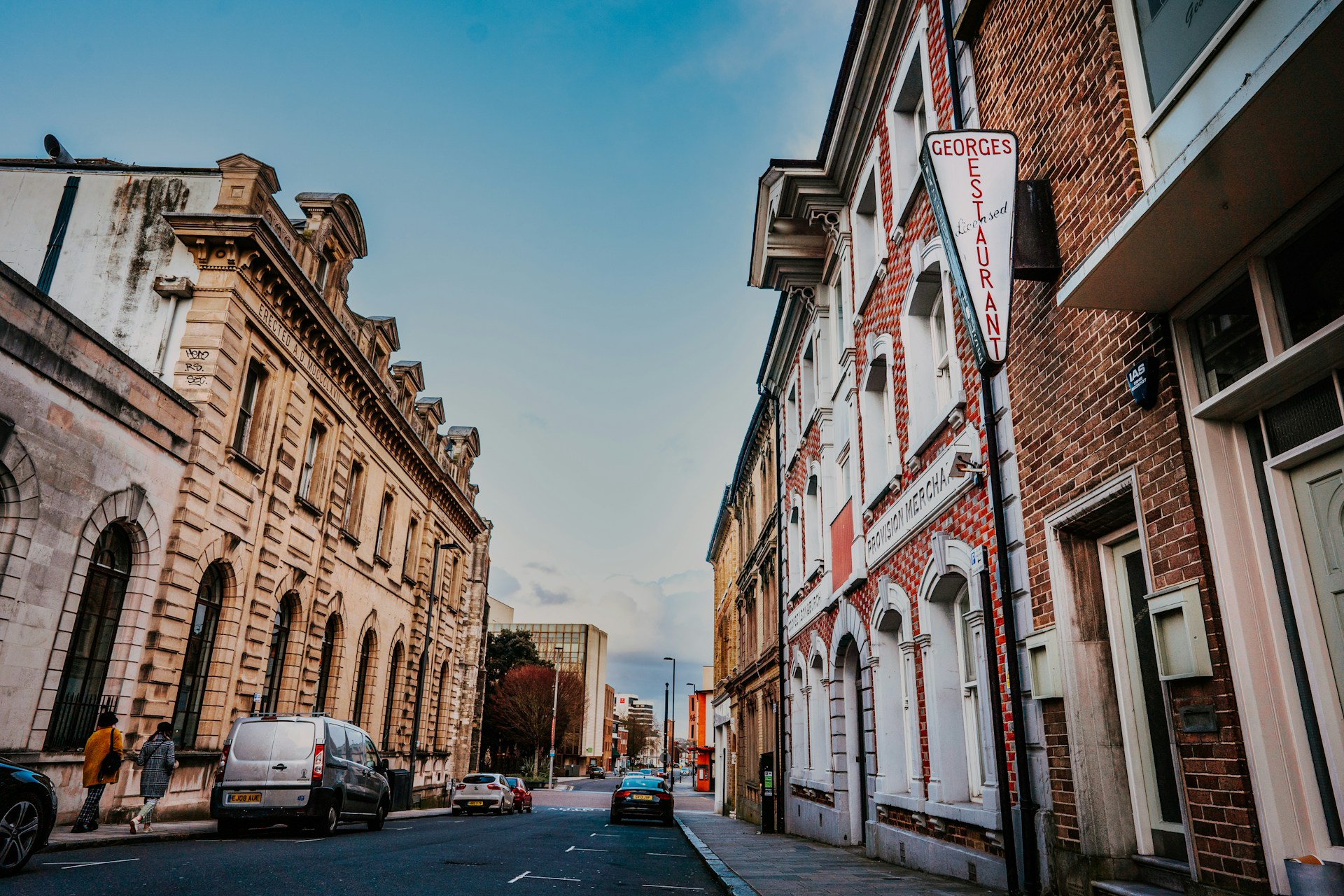
A lot of housing across Southampton and Hampshire is older, with narrow hallways, steep or turning staircases and doors that were never designed for modern furniture. A large wardrobe that was assembled in a bedroom can be impossible to get down the stairs whole, and a bed with a solid frame may not turn the corner on the landing. Taking pieces apart is often the only way to get them out without damaging the furniture or the house.
It also protects the building. A team carrying a rigid piece of furniture through a tight space risks scuffed walls, chipped frames and marked banisters. A piece taken apart is lighter, easier to carry and safer to move, and it can be wrapped part by part.
Tools, time and common problems
Most furniture needs only basic tools, such as screwdrivers, Allen keys and spanners, but the time it takes is often underestimated. A large wardrobe or a bunk bed can take a while to take apart carefully, and longer to rebuild, so the job should be planned into the day, not squeezed in on arrival.
- Stripped screws and rounded bolts. Old fittings can be hard to undo without damage, and a good team carries the tools to cope.
- Missing parts. If a fitting is lost, it can be hard to rebuild, which is why labelling matters.
- Glued joints. Some furniture was glued during assembly and does not come apart cleanly.
- Fragile finishes. Veneer and painted surfaces can chip along the edges, so wrap and pad every panel.
- Time on the day. Tell us early, so we can allow for it in the plan.
How to prepare
- Empty the furniture. Drawers, shelves and cupboards should be clear, because contents add weight and can shift.
- Keep the instructions and any spare parts, and tell us where they are.
- Tell us what needs dismantling when you ask for a quote, so we can plan the time and the tools.
- Clear space around the furniture, so the team can work.
- Take photos of anything complicated, such as a wall unit, a bunk bed or a corner desk.
What K2 does and does not reassemble
Some things are not suitable for dismantling. Built-in units, fitted kitchens and furniture fixed to walls or floors usually need a specialist. Ask us what applies to your move, and we will say plainly what we can do. We have not listed every exclusion here, because it depends on the piece, and we would rather confirm than guess.
If you are not sure, send us a photo and the make and model. It is quicker than guessing, and it helps us plan.
Summary
- Teams dismantle large furniture so it moves safely.
- Flat-pack furniture has limits.
- Tell your mover what needs dismantling in advance.
- Confirm what is and is not reassembled.
FAQs
Many do. We offer furniture dismantling and assembly, so tell us which pieces you would like us to handle when you get a quote.
Yes, in many cases, and we can dismantle and reassemble beds and other large furniture as part of the move. Confirm what is included when you ask for a quote.
Yes, but it is best moved assembled where possible. If it has to come apart, some pieces may not survive being rebuilt, so we will tell you honestly what to expect.
You can, if you have the time, the tools and the instructions. If you are short of time, or unsure, let us do it. Take photos and label the fittings if you do it yourself.
Ask us when you get a quote. We give free, written quotes, so you can see what is included, and we will explain what is and is not part of the price.
One Last Thought
Need furniture dismantled and rebuilt in Southampton or Hampshire? Call K2 Swift Removals on 023 8111 3116 or 07356 097791 and we will give you a straight, free quote.