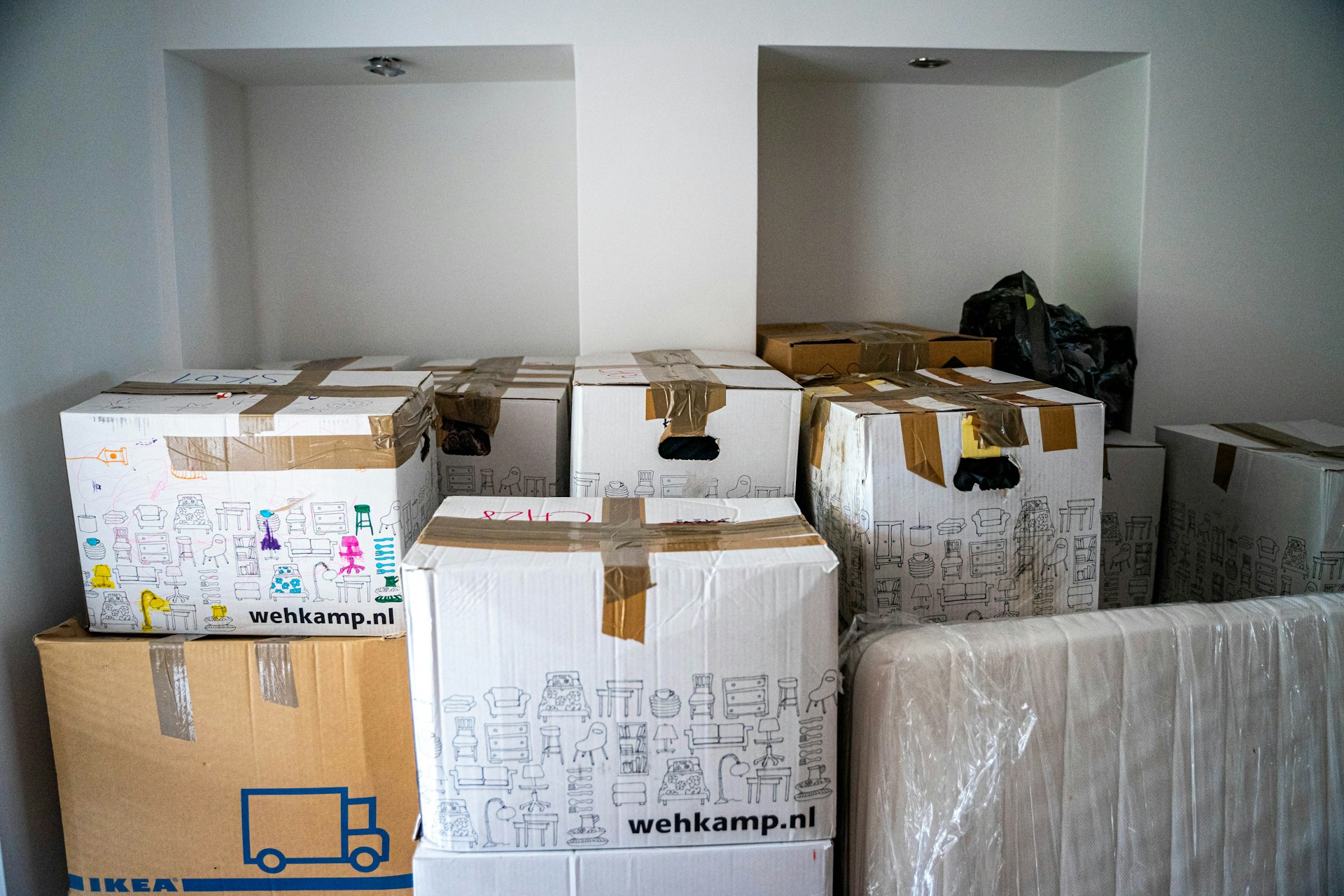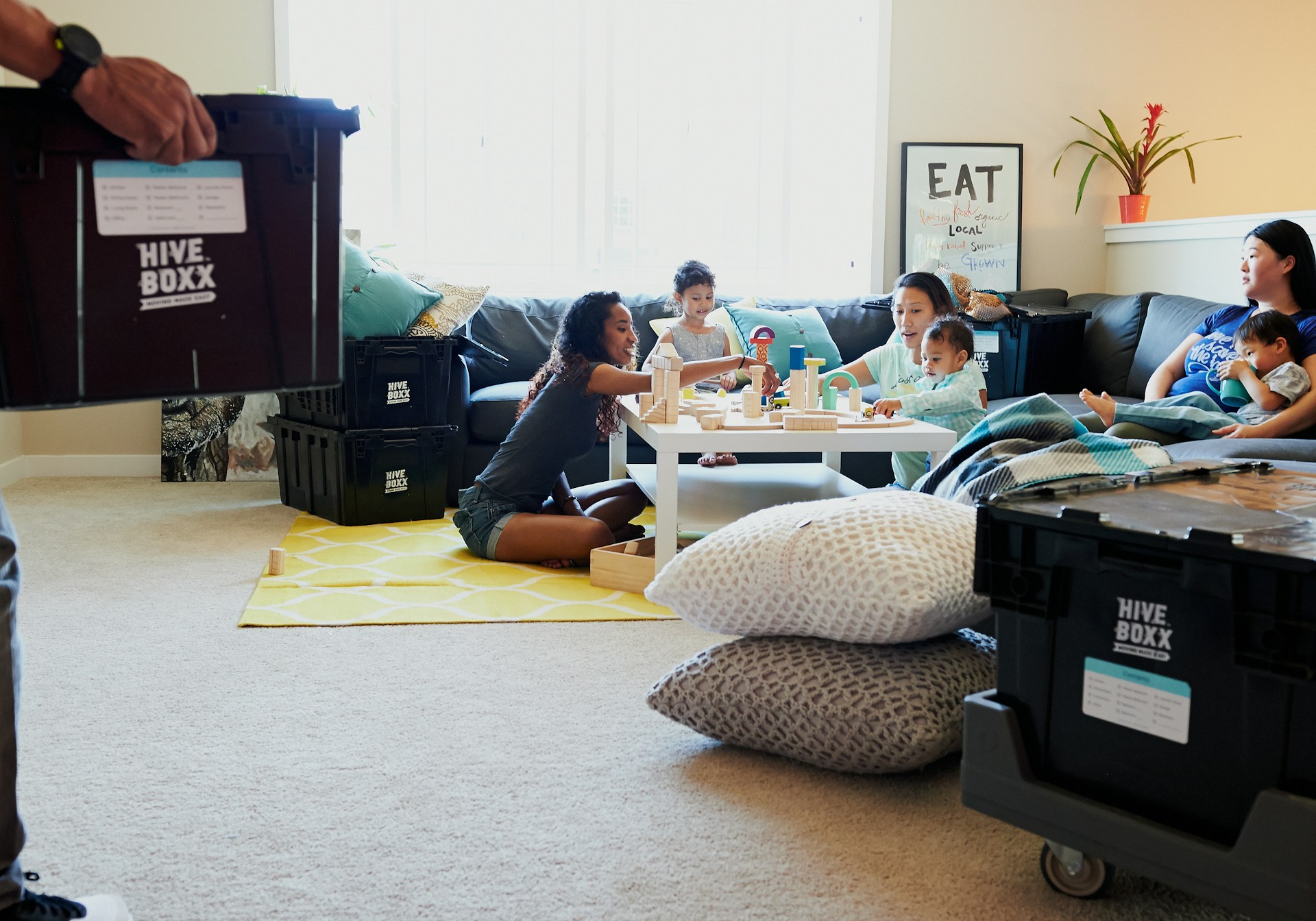
To pack a house for moving, start with the rooms you use least, pack room by room, label every box with its room and contents, and keep an essentials box for the first night. This guide gives a room-by-room order, packing tips and when a packing service saves time.
Packing a whole house is one of those jobs that looks manageable until you start. There is always more than you think, the kitchen takes twice as long as planned and somewhere around the third day you find yourself putting a saucepan into a box with a lamp. A little order at the start saves a lot of trouble at the end.
We move households across Southampton and Hampshire, and we see well-packed homes and badly packed ones every week. This guide explains how to pack a house for moving, room by room, in the order we would do it, with tips on labelling, the essentials box and when a packing service is worth using. It sticks to room-by-room packing, and links to our other guides for the details on fragile items and moving day.
Where should you start packing?
Start with what you use least. That usually means the loft, the garage, the spare room, books, ornaments, out-of-season clothes and anything in storage. Finish with what you use every day, which is the kitchen, the bathroom and the bedrooms.
Give yourself more time than you think. A three-bedroom house is a big job, and it is better to start early and stop early than to pack through the night before the move. We have not given a fixed start date, because it depends on the size of your home, how much you own and how many people are helping, but a few weeks for a family home is a sensible starting point. If you are short on time, a packing service or partial packing can help.
Before you start, gather your supplies: strong boxes in a mix of sizes, packing paper, tape, bubble wrap, marker pens and labels. Our guide to packing supplies covers what to buy and what to skip.
Here is a simple timeline to work backwards from your moving date. Adjust it to your own home and time.
- Four weeks before: collect supplies, clear the loft, garage and any storage, and decide what you no longer need.
- Three weeks before: pack out-of-season clothes, books, ornaments, pictures and spare bedding.
- Two weeks before: pack the spare rooms, the study and the living room, apart from the things you use daily.
- One week before: pack the kitchen in stages, and start on the bathroom and bedrooms.
- The last two days: pack the daily items, empty the fridge and freezer, and finish labelling.
- The night before: pack the essentials box, check every room and keep your keys and documents to hand.
Kitchen and dining room
The kitchen is the room that takes longest, because it holds the most small, fragile and awkward items. Do it in stages. Pack the things you use rarely first, such as special occasion crockery, serving dishes, the bread maker in the cupboard, and keep the daily items until the last day.
- Wrap glasses, plates and bowls individually, and pack them in small, strong boxes. Our separate guide to packing glasses and fragile kitchenware goes into detail.
- Pack heavy items, such as pans, in small boxes so they do not become too heavy to lift.
- Run down the food in the fridge and freezer in the weeks before you move, and plan meals around it.
- Check any open food, liquids and cleaning products. Many are best used up, given away or carried separately.
Living room and study
Books are the classic packing mistake. They are far heavier than they look, and a large box full of them can be too heavy to lift safely. Use small boxes for books, and fill any gaps with paper.
- Take a photo of the back of your TV, computer and audio equipment before you unplug them, so you can reconnect them easily.
- Wrap cables and tie them, and label them, so you know which is which.
- Protect screens with a blanket or the original box, if you have it.
- Remove the shades from lamps, and pack the bases and shades separately.
- Wrap pictures and mirrors carefully, and mark them fragile.
Bedrooms and wardrobes
Bedrooms are easier if you empty them in stages, and leave bedding and the clothes you will wear until the end. Use wardrobe boxes for hanging clothes, so they arrive without creases, and vacuum bags or large bags for bedding and soft items.
Beds and wardrobes usually need to come apart, and it is worth planning when. Our guide to moving a bed and mattress explains how to dismantle, label and reassemble them, and we offer a dismantling service if you would rather we did it. Pack bedside cabinets and drawers, and check them for personal items before you tape them up.
Bathroom, garage, loft and garden
These are the rooms where people find things they had forgotten they owned. They are also where you need to be careful about what you pack.
- Bathroom: pack toiletries in sealed bags to avoid leaks, and keep a small bag of essentials with you.
- Garage and loft: pack tools in sturdy boxes, and take care with anything sharp. Take the opportunity to decide what you really need to keep.
- Garden: bring in garden furniture, ornaments and pots, and empty any that hold soil or water.
- Hazardous items: paint, gas bottles, chemicals and aerosols are usually not moved by removal companies, so ask us what applies to your move, and dispose of them properly.
Labelling, the essentials box and the last day
Labelling is what makes the day after the move manageable. Write the room the box belongs to, in the new home, on the top and on at least one side, and add a short note of what is inside. Some people use colour-coded labels for each room, which helps the team put boxes in the right place quickly.
Pack an essentials box for the first night, and keep it with you. It should hold the things you will need before you unpack, such as a kettle, mugs, tea, toilet paper, phone chargers, basic toiletries, a change of clothes and any medication. Our moving day checklist has a fuller list.
On the last day, walk through every room, cupboard and outbuilding, and check you have not left anything behind. Keep your keys, documents and valuables with you, not in the van.
Common packing mistakes to avoid
- Overloading boxes. A box you cannot lift comfortably is a box that will split, or a back injury waiting to happen.
- Leaving gaps. A half-empty box collapses when stacked, and a box with movement inside breaks things. Fill gaps with paper.
- Mixing rooms. A box with items from three different rooms is difficult to unpack, and leads to lost things.
- Unlabelled boxes. You will not remember what is in them, and neither will the team.
- Packing too late. Rushing on the last day is the biggest cause of breakages and delays, and it costs everyone time.
If you are moving somewhere with tight access, such as a flat in the city centre or an older terrace, smaller boxes are also easier to carry down narrow stairs and round corners, which speeds up the day.
When a packing service makes sense
Packing yourself is fine if you have the time and energy. If you do not, a packing service is worth thinking about. It suits people who are short of time, older movers, busy families and anyone with a large home. We offer full packing, part packing, unpacking and self-pack with materials, and our guide to removals with a packing service explains what is included.
Summary
- Start with rooms you use least.
- Label every box by room and contents.
- Keep an essentials box for day one.
- Consider a packing service if time is short.
FAQs
Start with the rooms you use least, pack room by room, label every box with its room and contents and keep an essentials box for the first night. Finish with the kitchen and bedrooms.
The one you use least, such as the loft, the garage or a spare room. Leave the kitchen and bedrooms until last.
It depends on how much you own, so we have not given a number. A good method is to pack one room, count the boxes it took and multiply for the rest. Ask us what materials we supply.
Valuables, documents, medication and anything you will need on the first night should travel with you. Hazardous items and perishable food are usually not moved by removal companies, so ask us what applies.
Yes, as far as you can. Everything should be boxed and ready when the team arrives, except for the last few essentials. A team that arrives to unfinished packing loses time.
One Last Thought
Need a hand with packing in Southampton or Hampshire? Call K2 Swift Removals on 023 8111 3116 or 07356 097791 and we will give you a straight, free quote.