For most house moves you need strong cardboard boxes in several sizes, packing paper, tape, bubble wrap, marker pens and a few wardrobe boxes or covers. Avoid weak second-hand boxes for heavy items. This guide lists what to buy, what to skip and how removal companies can supply materials.
Walk into any shop that sells boxes and you will see a wall of things you might need for a move. Most of it you do not. The people who move well tend to buy a small number of good things, and the people who struggle tend to buy the wrong boxes, too much tape and not enough paper.
We move households across Southampton and Hampshire, and we can tell from the first box we lift whether someone bought well. This guide lists the packing supplies for moving that you actually need, what to buy and what to skip, how to estimate how many boxes you will need and what a removal company can supply. We have not quoted any prices or box counts, because they depend on your home and change over time.
What packing supplies do you actually need?
For most house moves, the list is short.
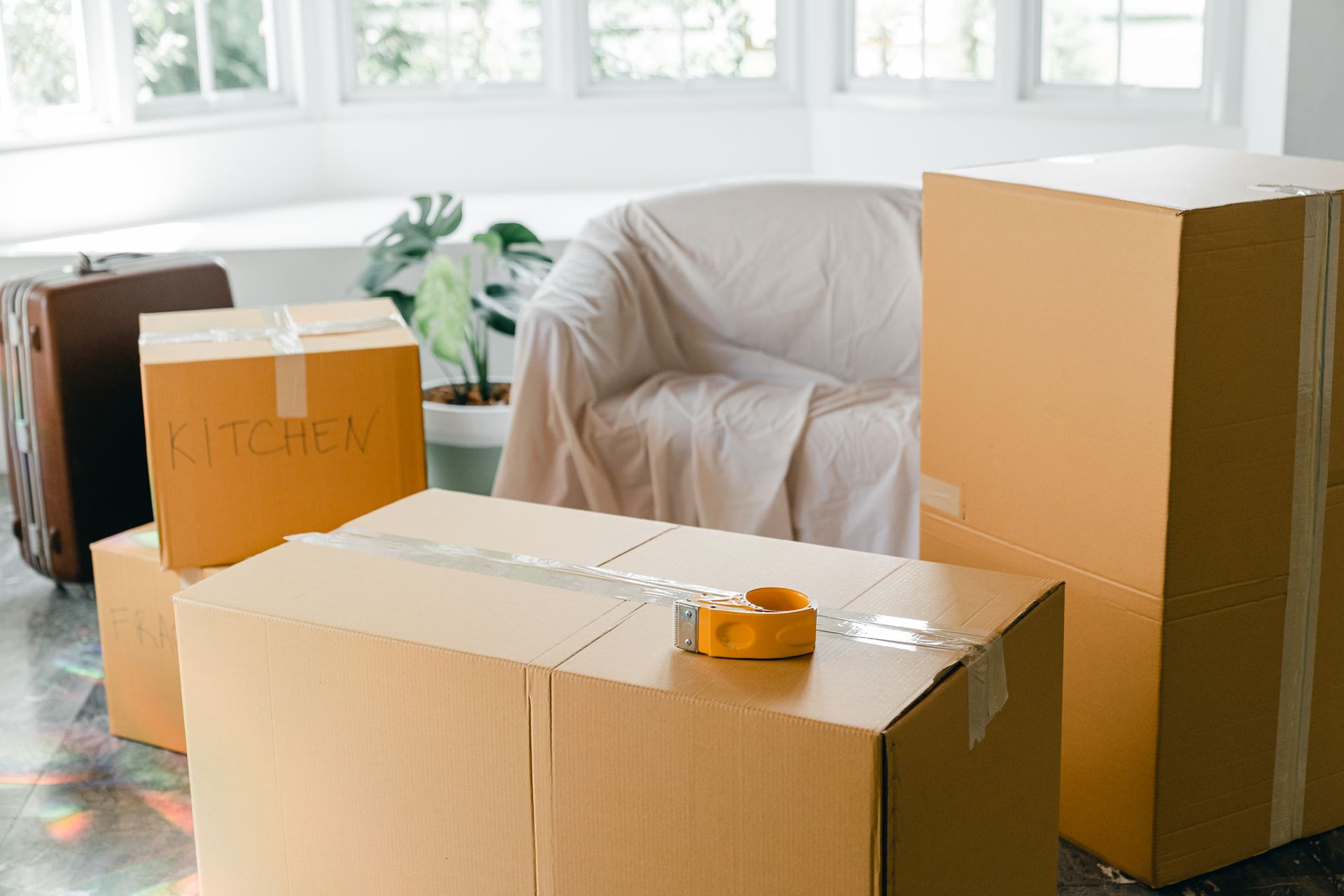
- Strong cardboard boxes in several sizes.
- Packing paper, plain and clean.
- Strong packing tape and a dispenser.
- Bubble wrap or foam wrap for delicate items.
- Marker pens and labels.
- Wardrobe boxes or covers for hanging clothes.
- Mattress covers for beds.
Add blankets or moving pads for furniture, and a few large bags for soft items, and you have most of what you need. Everything else is a nice to have.
Boxes: sizes and what goes in each
The size of the box should match what goes in it, and the rule is to keep heavy things in small boxes and light things in large ones. A big box full of books is too heavy to lift, and a small box of cushions wastes space.
- Small boxes: books, tins, tools, small appliances and anything heavy.
- Medium boxes: kitchenware, toys, shoes and general household items.
- Large boxes: bedding, cushions, towels, lampshades and other light, bulky items.
- Wardrobe boxes: hanging clothes, which arrive without creases and go straight onto the rail at the new home.
- Book boxes: small, strong boxes designed for weight.
Choose double-walled boxes for anything heavy or fragile, because they are stronger than single-walled ones and hold their shape when stacked. It is worth checking the bottoms, which should be taped across the middle and along the edges.
Wrapping, cushioning and protection
Wrapping is where you protect the things that can break or scratch.
- Packing paper for glasses, plates, ornaments and to fill gaps.
- Bubble wrap and foam wrap for delicate or valuable items, and for anything with a finish that scratches.
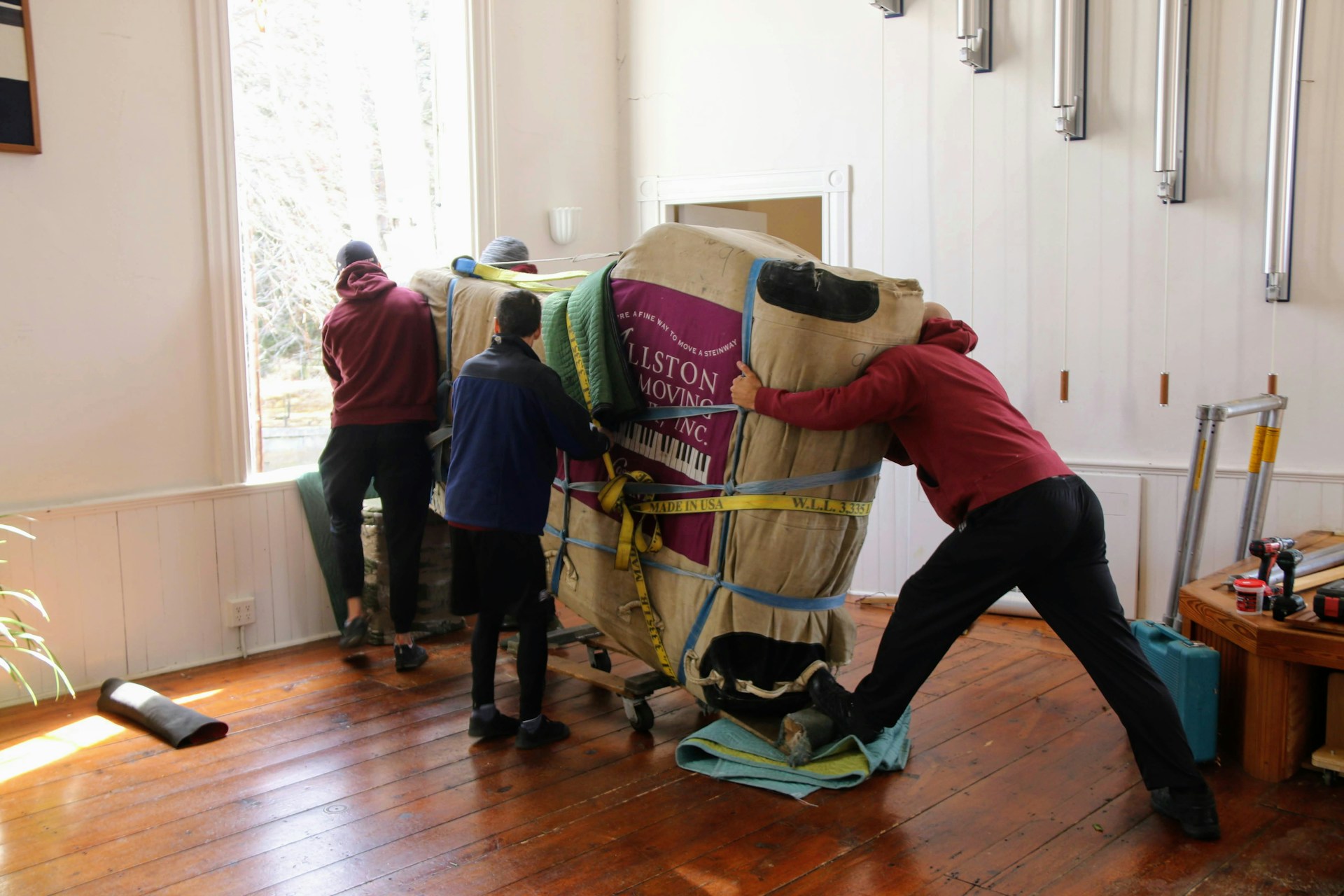
- Blankets and moving pads for furniture.
- Corner protectors for tables, mirrors and picture frames.
- Mattress covers for beds, which keep out dirt and damp.
Fill the gaps in every box with paper, because a box with movement inside it is a box with breakages. Give each box a gentle shake before you seal it. If anything rattles, add more paper.
For awkward items, think about what protects them best. A flat-screen TV is safest in its original box, if you kept it. Lamps, pictures and mirrors need flat, strong boxes or corner protectors. A mirror should have tape across the glass in a cross, to hold it together if it cracks, and a layer of foam or paper over the top. A blanket is useful, cheap and reusable, and a stack of them is worth having for the furniture.
Tape, labels and marking
Good tape matters more than you would think. Cheap tape splits, peels and lets boxes open at the bottom, and it is a false economy. Use strong packing tape, and run it across the bottom seam and along both edges. Get a dispenser, because it saves your fingers and a lot of time.
For labelling, write the room in the new home on the top and at least one side of every box, with a brief note of what is inside. Colour-coded stickers for each room help the team put boxes in the right place quickly. A marker pen is all you need, and a few extra for the day.
How many boxes will you need?
There is no single answer, because it depends on how much you own, how many rooms you have and how you pack. Here is a method that works better than a guess.
- Pick one room, and pack it fully, counting the boxes you use.
- Do the same for a second room of a different type, such as a kitchen or a bedroom.
- Multiply the numbers by the rooms of each type in your home.
- Add a few extra for things you have forgotten, and for the loft, garage and shed.
- Round up, because running out on the last day is worse than having a few spare.
If you would rather have help, tell us about your home when you ask for a quote, and we will advise on materials. We have not given a fixed number, because it varies too much between homes.
What to skip, and when your mover can supply materials
Some things are best avoided or bought only in small amounts.
- Weak second-hand boxes. Free boxes from shops are fine for light items, but they can be weak, damp or dirty, and they can fail when heavy. Do not use them for heavy or fragile things.
- Newspaper for fragile items. The ink can rub off onto glass and china, so use plain paper.
- Over-buying. It is easy to buy too much, so start with a modest amount and top up.
- Cheap tape and thin plastic bags. They are not strong enough for a move.
We supply packing materials as part of our packing service, including double-walled cardboard boxes, tissue paper and foam wrap, wardrobe boxes, mattress covers, packing tape and dispensers and fragile stickers and labels. If you would rather pack yourself, we can drop off boxes, bubble wrap and tape, and collect it back when you are finished. Our guide to removals with a packing service explains the options.
A last practical point is to keep a small kit of supplies for the day itself: a roll of tape, scissors, a marker, spare labels, a few extra boxes and some bags for rubbish. There is always one more thing to pack on the morning of the move, and it is much better to have the supplies to hand than to be searching for tape when the team arrives in Southampton or elsewhere in Hampshire.
Summary
- Buy strong boxes in a mix of sizes.
- Use paper, tape and labels properly.
- Avoid weak second-hand boxes for heavy loads.
- Ask your mover what materials they supply.
FAQs
Strong boxes in several sizes, packing paper, tape, bubble wrap, marker pens, wardrobe boxes and mattress covers. Add blankets for furniture and you have most of what you need.
Many do, and we do. We supply packing materials as part of our packing service, and you can ask us about supplying materials if you are packing yourself.
For light items, yes, if they are clean, dry and strong. Do not use weak or damp boxes for heavy or fragile things, because they can fail. Check the bottoms and reinforce them with tape.
It depends on how much you own, so we have not given a number. Pack one room, count the boxes it took and multiply for the rest, then add a few extra.
Some companies offer crate hire, but we have not confirmed that as one of our services. Ask us when you get a quote what materials we can supply.
One Last Thought
Need packing materials for your Southampton or Hampshire move? Call K2 Swift Removals on 023 8111 3116 or 07356 097791 and we will give you a straight, free quote.