To move confidential documents securely, audit what you keep, pack files in sealed labelled boxes with an inventory, and confirm how your mover transports and delivers them. Plan remote working so staff stay productive during the move. This guide covers secure packing, transport and remote working.
In most office moves the boxes that matter most are not the ones with the computers. They are the plain cardboard ones full of client files, staff records and financial papers, which no one wants to lose, leave in a corridor or open in the wrong place. A missing box of those is not a breakage. It can be a data breach.
We move offices across Southampton and Hampshire, and confidential documents come up in almost every planning conversation. This guide explains confidential document removal as part of an office move: what counts as confidential, how to audit and clear out beforehand, how to pack and label securely, how transport and delivery should work, how to keep staff working remotely during the move and what to check afterwards. It is practical advice, not legal or compliance advice, and we point to the Information Commissioner's Office for the rules.
What counts as confidential in an office move?
Anything that would cause harm if it went missing or was seen by the wrong person. In most offices that includes the following.
- Client and customer files, including contracts, correspondence and case notes.
- HR records, such as contracts, payroll, appraisals and medical information.
- Financial documents, such as accounts, tax records and bank details.
- Commercially sensitive papers, such as tenders, pricing and strategy documents.
- Devices and media that hold any of the above, including laptops, backup drives and phones.
The Information Commissioner's Office says organisations must keep personal data secure, and its records management guidance says that if records are not secured during transfers, they may be lost or accessed inappropriately, which can result in a personal data breach. We are not able to give you legal advice, so check the ICO's guidance, or speak to your data protection lead or adviser, about what applies to your business.
Before the move: audit and clear out
The safest document to move is the one you do not need to move. An office move is a good moment to look at what you keep, and why.
- Check your retention rules. Find out how long you are meant to keep each type of record, and whether anything can now go.
- Shred what you no longer need, using a secure shredding service, and keep a record of it.
- Consider digitising files you use rarely, if it makes sense for your business and your rules allow it.
- Decide what must travel and what could be stored elsewhere.
- Make a list of the boxes and files that will move, so you know what to check at the other end.
Start this early. Sorting records takes longer than people expect, and it is the sort of job that gets squeezed out by everything else in the final week. Our office relocation checklist puts it in the wider plan.
Packing and labelling securely
Good practice for confidential files is simple, and it is worth agreeing with your removal company in advance.
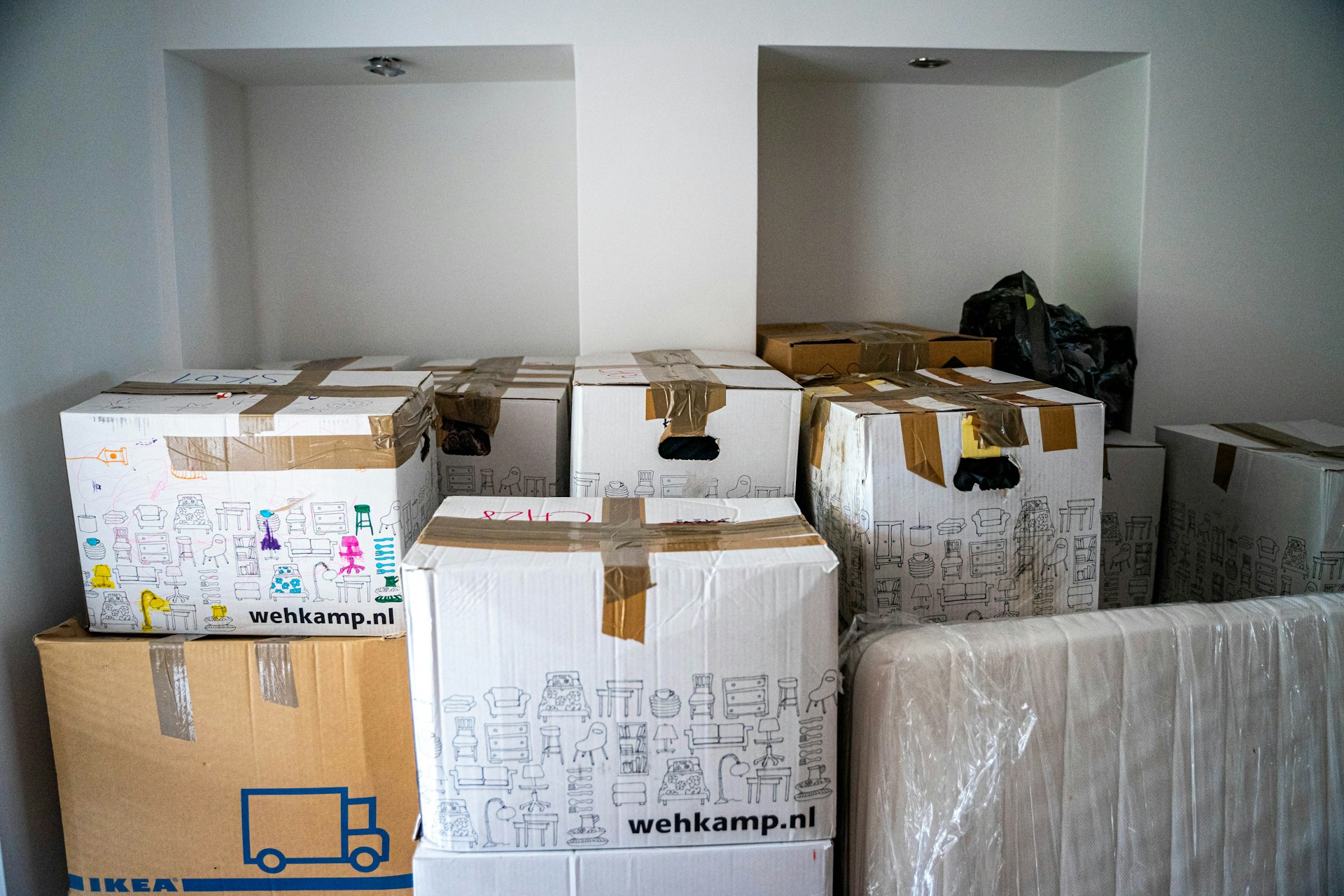
- Pack files in sturdy boxes, and seal them with tape that shows if it has been opened.
- Label each box with a reference number and a destination, not with what is inside. The ICO's guidance on physical records suggests they should be unmarked when transported.
- Keep an inventory that lists each box number, the department and the contents, and who packed it.
- Decide who signs for the boxes at each end, and keep a record of the handover.
- Keep the most sensitive files apart from the rest, and decide who travels with them or receives them.
Tell us about confidential material when you ask for a quote, and ask what we can arrange. We assign a dedicated project manager to each office move, and free on-site surveys are part of how we plan, so the handling of sensitive files can be agreed in advance and not left to chance. We have not listed a fixed process here, because it depends on your needs, and we would rather agree it with you.
Confidential document removal: transport and delivery
What you want is a controlled journey from door to door. That usually means the following, which you should check with any company.
- Supervised loading, so boxes are counted on and off the vehicle.
- A locked vehicle, and a direct journey, without stops or transfers.
- Delivery to a named place and a named person at the new office.
- A count at the other end, checked against the inventory.
- Insurance that covers the move. Our commercial moves are fully insured, including goods in transit and public liability cover.
The ICO's records guidance also says that organisations should log the location of physical records and track movement, transfer and access, for example by scanning barcodes or using access cards as records leave and arrive. You can apply the same idea on a small scale, with a simple sign-out sheet and a numbered inventory.
Keeping staff working remotely
During a move, some or all of your team may need to work from home for a day, a weekend or longer. Plan it as carefully as the move itself.
- Agree the dates, and tell staff early which days they will work remotely.
- Check that every laptop, phone and login works from home, and that staff know how to reach IT support.
- Decide how staff will keep confidential material secure at home, and what must not leave the office.
- Tell clients and suppliers about any change to phone numbers, addresses and response times.
- Set up a simple point of contact, so staff know who to call if something goes wrong.
If people will be taking files or devices home, follow your own policies on remote working and data security, and document any arrangements, as the ICO's guidance suggests.
Moving day and the first week
On the day, keep one person responsible for the confidential material at each end. Check the boxes off against the inventory as they leave, and again as they arrive. Do not leave anything unattended in a corridor or a loading bay, and store the boxes in a secure room until they are unpacked.
In the first week, put files into their secure areas as soon as you can, and check that nothing is missing. If a box is missing, tell your removal company and your data protection lead straight away, because speed matters. Then close the loop: check your inventory is complete, shred what you decided to shred and update your records about where things are.
Summary
- Audit and clear out before packing.
- Use sealed labelled boxes with an inventory.
- Confirm how your mover handles sensitive files.
- Plan remote working before move week.
FAQs
In sealed, numbered boxes with an inventory, loaded under supervision into a locked vehicle and delivered directly to a named person. Agree the arrangements with your removal company in advance.
Many can, with the right process. Tell us about sensitive files when you ask for a quote, and we will discuss what we can arrange for your move.
Not normally, just for moving. The ICO's guidance is about keeping personal data secure, including in transit. If you think a breach has happened, follow the ICO's guidance, and speak to your data protection lead.
Plan it early: agree the dates, check devices and logins, set out how to keep material secure and tell clients about any changes.
If you no longer need them and your retention rules allow, yes. It reduces what you have to move and what could go missing. Use a secure shredding service and keep a record.
One Last Thought
Planning an office move in Southampton or Hampshire? Call K2 Swift Removals on 023 8111 3116 or 07356 097791 and we will arrange a free on-site survey and a straight quote.