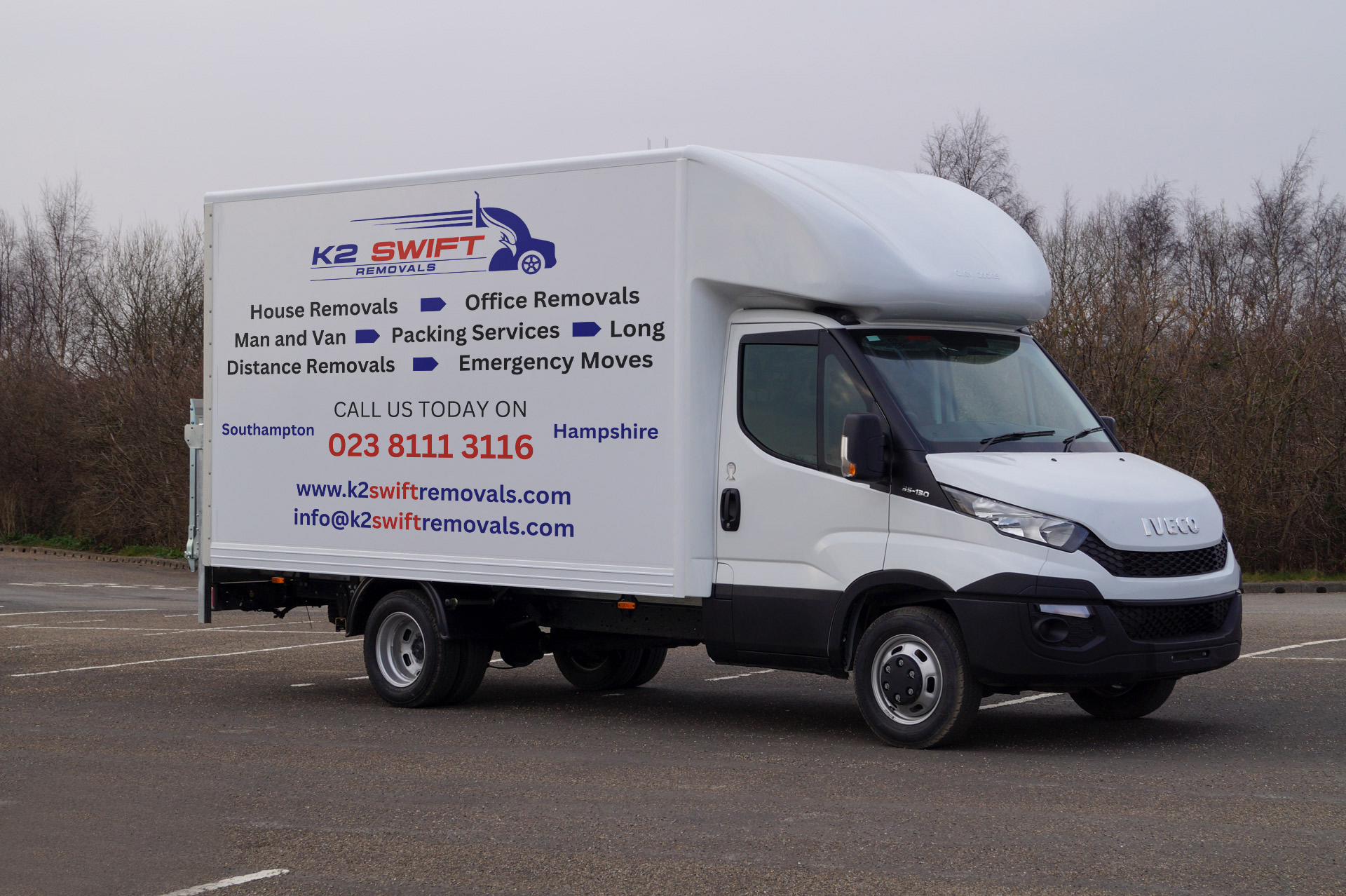
Quick answer: a man and van typically works out cheaper for a studio or one-bed move, priced by the hour, while a full removal company usually works out better value for anything from a two-bed upwards once you factor in team size, packing and insurance. If your move involves stairs, a chain completion, or anything you’d genuinely mind losing, the fixed quote from a full team is usually worth the extra.
What's Actually Different Between the Two
A man and van service is exactly what it sounds like: one or two people and a van, charged by the hour. You do most of the packing yourself, and the job scales up or down depending on how much help you book. It’s flexible, and for the right move, genuinely good value.
A full removal company sends a team sized to the actual job, quotes a fixed price rather than an hourly rate, and typically includes packing materials and a proper level of insurance as standard rather than as an optional extra. The trade-off is a higher total cost for a job that would take a man and van far longer to finish alone.
How Much Does Each Option Cost in 2026?
A man and van typically costs between £35 and £93 an hour depending on van size and location, with the average sitting around £64 an hour. For a studio flat that takes two or three hours, that’s a genuinely small bill.
A full removal company’s pricing scales with the size of the move rather than the clock. A one to two bed local move typically runs £350 to £700, a three bed house £700 to £1,400, and a four bed or longer-distance move £1,300 upwards, sometimes reaching £3,000 for a big property or a long haul. Adding a full packing service on top typically adds another £150 to £600, so it’s worth checking whether that’s already built into a quote before comparing two prices side by side.
When a Man and Van Genuinely Makes Sense
A man and van suits a small, local move where you’re comfortable doing your own packing and don’t need much beyond an extra pair of hands and a vehicle. Studio flats, single rooms, a house share move, or shifting one large item like a sofa are all good fits.
It also works well if your dates are flexible and you can book at short notice, since a solo operator or small team often has more availability gaps than a fully booked removal company.
When You Need a Full Removal Team Instead
Once you’re moving a two-bed or larger property, the maths tends to flip. A man and van working alone on a three-bed house can take an entire day and multiple return trips, while a properly sized team clears the same house in a single, more predictable run.
Stairs, awkward access, or a chain completion with a tight window all raise the stakes too. A full removal company can commit to a specific slot and bring enough people to hit it, where a smaller operation has less room to absorb delays on moving day itself.
What Insurance Actually Covers You (This Is Where People Get Caught Out)
This is the part most people skip past when comparing quotes, and it’s usually the part that matters most. A company registered with the British Association of Removers has to meet minimum insurance standards, but even then, standard liability cover typically caps compensation at around £40 to £50 per item unless you’ve taken out enhanced protection.
A man and van operator working informally may carry little to no goods-in-transit insurance at all. That’s not a criticism of the trade, most are genuinely careful, but it does mean that if something is damaged, you may have no real means of recovering the cost. Asking directly what insurance is in place, and getting it in writing, is worth doing regardless of which option you choose.
What This Looks Like in Portswood and Freemantle
These are dense, Victorian terrace streets, narrow enough that a full-size removal lorry sometimes can’t get close to the front door, particularly around Portswood’s shared student and family housing. For a single-room move or a one-bed flat here, a man and van with a smaller vehicle is often the more practical choice, not just the cheaper one.
A full family house on one of Freemantle’s wider terraces is a different situation. Once you’re clearing a three or four-bed home with a garden’s worth of extra storage, the narrow street becomes a logistics problem a properly sized team is better placed to solve, coordinating a shuttle run from a larger vehicle parked further away if the road itself won’t take one.
Can You Mix the Two Approaches?
Yes, and it’s worth asking about. Some full removal companies will quote a smaller job on an hourly basis if that genuinely suits it better, and some man and van operators bring in a second vehicle for a bigger day rather than turning the job away.
The honest move is to describe your actual property, the number of rooms, whether there are stairs, and how much you’re doing yourself, and ask for a price rather than assuming one category rules the other out. A good removals team will tell you if you’re overpaying for more than you need.
How Far Ahead Should You Book Either Option?
Full removal companies, particularly around weekends and month-ends when most completions happen, get booked up several weeks in advance during busy periods. If your date is fixed, whether through a chain or a fixed tenancy end, booking four to six weeks ahead gives you the best choice of slot and the most room to negotiate on price.
Man and van operators are often more flexible on short notice, which is part of why they suit last-minute or date-uncertain moves so well. If your moving date is genuinely up in the air, that flexibility can matter more than the hourly rate itself.
Questions People Ask Before Choosing
For a small, local move, usually yes. For anything two bedrooms or larger, a full removal company's fixed quote often works out similar or better once you account for the extra hours a smaller team would need.
Not usually. Most man and van bookings assume you'll pack yourself, while full removal companies typically include some materials as standard and offer a full packing service as an add-on.
It depends entirely on what insurance, if any, that specific operator carries. Always ask before booking rather than assuming cover exists, since informal arrangements don't always include it.
Yes. We quote based on the actual job, whether that's a single room or a full four-bed house, rather than forcing every move into one pricing model.
Four to six weeks ahead is a sensible target, particularly around weekends and month-end, when demand is highest and the best slots go first.
The Real Question Before You Book
Choosing between a man and van and a full removal company usually comes down to how much of the risk you’re comfortable carrying yourself, not just which quote is smaller. Get the insurance question answered first, and the right choice for your specific move tends to become obvious.